
Brain Injury Counseling in Connecticut | Neurospark Counseling
Counseling for the life that continues after brain injury.
Telehealth throughout Connecticut for high-functioning survivors of brain injury, concussion, stroke, and brain tumor — and for the partners, parents, and caregivers walking beside the
Jamie Arber, LPC - CBIS-T - CAGCS - CCH - EMDR trained - 15+ years in Connecticut brain injury support.
Is this the right place?
Many people look “fine” after a neurological injury. They are back at work, driving, parenting, or living independently. Inside the house — and inside their own mind — things are not fine.
You may be dealing with irritability, cognitive fog, emotional swings, grief, personality changes, scan anxiety, or a relationship and family life that no longer feel familiar.
Neurospark Counseling is a private telehealth practice for that part of recovery: the emotional, identity, and relationship work that medical appointments rarely have time for.
Three paths
For high-functioning survivors
Counseling after TBI, concussion, stroke, or brain tumor for people who are largely independent yet still navigating fatigue, identity shifts, emotional changes, and return-to-life challenges. Sessions move at a pace a tired brain can use.
For partners, parents, and caregivers
A place to tell the truth about the person you miss, the role changes you did not choose, burnout, guilt, and the quiet strain of supporting someone who looks capable to the outside world.
For healthcare professionals
Confidential support for clinicians and rehab staff carrying neurological trauma, moral distress, and compassion fatigue.

What sessions are for
Grief for the life and self that changed
Anxiety, depression, and emotional swings after neurological injury
Identity: “I don’t feel like myself.”
Couples and family strain when roles shift even if the survivor is independent
Scan anxiety, uncertainty, and fear of another event
Return-to-work worry, fatigue, confidence, and invisible symptoms
Partner or parent exhaustion that has started to look like numbness
Modalities used when they fit the person include EMDR, hypnosis, grief counseling, and trauma-informed therapy. The method is never more important than your energy that day.
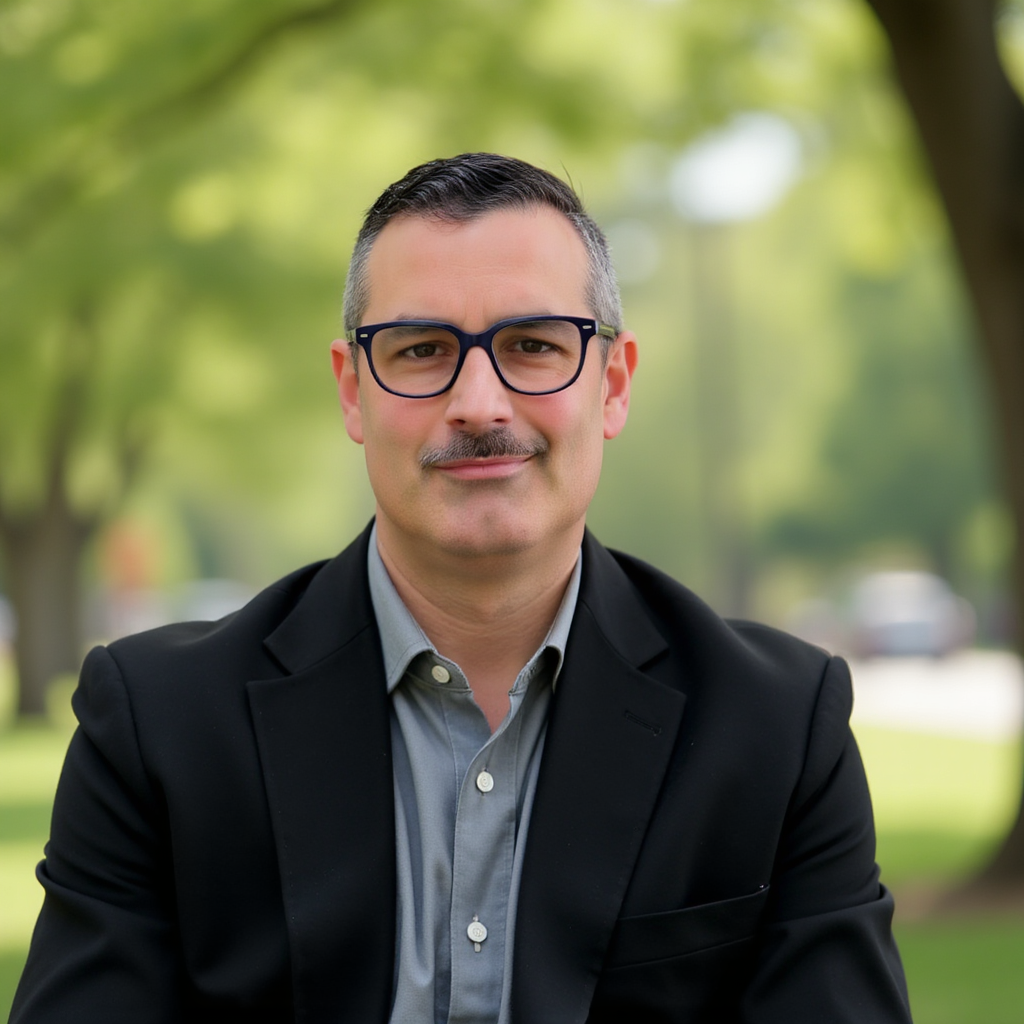
Meet Jamie
I’m Jamie Arber, a licensed professional counselor in Connecticut.
Before this practice, I spent more than 15 years in community brain injury support, including leadership in community-based ABI, ASD, and disability support services. I became a counselor because the emotional work after neurological injury is still hard to find.
I work statewide by secure video. I do not bill insurance. That keeps sessions focused on your goals instead of session caps and pre-authorizations.

How we start
1. Request a consult. I reply within one business day.
2. We talk briefly about what happened, what is hard now, and whether this practice is a fit.
3. If we continue, the first appointment is a 60–90 minute intake ($300). Ongoing sessions are 50 minutes ($200).
What this practice is not
Not neuropsychological testing
Not physical, occupational, or speech therapy
Not a hospital or crisis clinic
Not medical
Not in-network with insurance plans
If you need those services, I will say so plainly and help you think about next steps.
Connecticut Telehealth
Sessions are by secure, HIPAA-compliant video. You need to be in Connecticut at the time we meet. This model works well for people who can manage telehealth independently or with light support.